
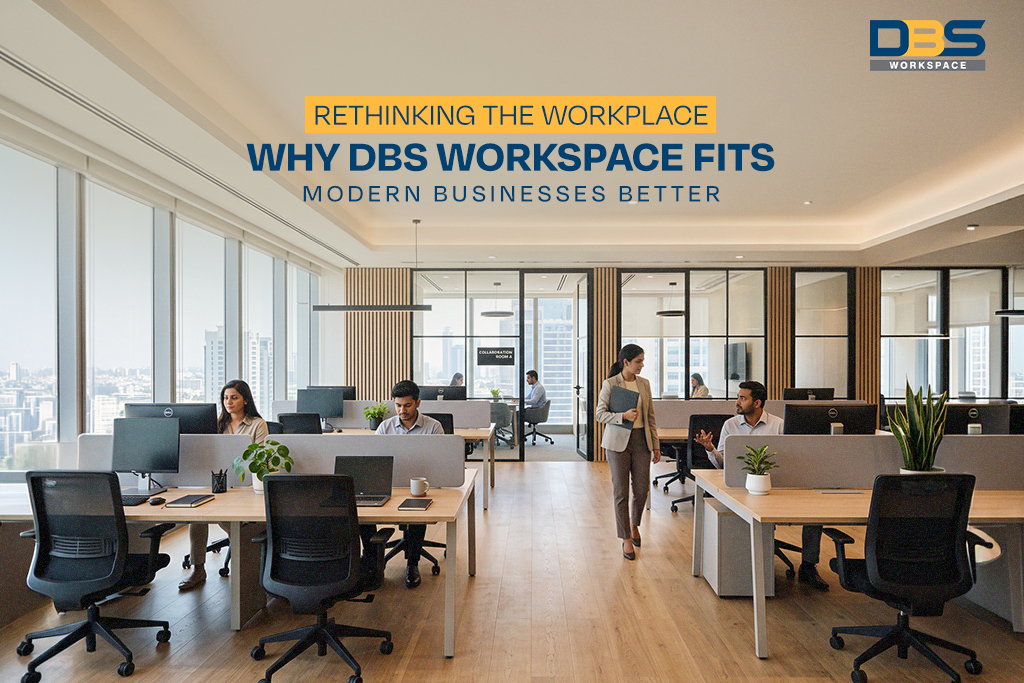
Bangalore has always been a city shaped by ambition. From early-stage startups to global technology firms, businesses here operate in an environment where timing matters. Decisions need to translate into action quickly. Traditional offices, with their long setup cycles and rigid contracts, often struggle to match this pace. Business centres have stepped in as a practical alternative, offering ready-to-use spaces that align better with how companies work today.
The shift from ownership to access
Office space used to be seen as a long-term asset. Today, it is viewed as a service. Businesses prefer access to quality infrastructure without the responsibility of managing it. Business centres support this mindset. They provide workspaces that are functional from day one, with services running smoothly in the background. This model appeals to companies that value agility and want to avoid the operational weight that comes with conventional offices.
Faster start, fewer distractions
Time spent setting up an office is time not spent building the business. Traditional offices require coordination with multiple vendors for interiors, connectivity, maintenance, and security. Business centres remove these layers. Teams walk into a space that already works. The Internet is stable, utilities are in place, and support staff handle day-to-day requirements. This immediacy explains why many companies now choose business centres in Bangalore as their default option rather than a temporary solution.
Smarter cost management
Cost predictability has become a priority for businesses of all sizes. Long leases, large deposits, and ongoing maintenance expenses create pressure, especially during uncertain market conditions. Business centres offer clearer pricing structures and fewer surprise costs. Companies can plan monthly expenses with confidence. This approach suits organisations looking for a fully furnished office for rent in Bangalore without committing large amounts of capital upfront.
Space that grows with the business
Team sizes change. Projects evolve. Hiring cycles fluctuate. Business centres allow companies to respond to these changes without friction. Extra desks can be added when required. Space can be reduced when teams become leaner. This flexibility is particularly useful in a city where startups scale rapidly and established companies run multiple short-term initiatives. A co-working space in Bangalore or a managed private office fits this reality far better than a fixed traditional layout.
Professional environments for serious conversations
Client interactions still matter deeply, even in a digital-first world. Business centres provide access to well-equipped business meeting rooms in Bangalore that support focused discussions. These rooms are designed for clarity and comfort, with reliable technology and professional settings. Businesses can host presentations, interviews, and strategic meetings without worrying about setup or ambience. This consistency helps maintain credibility and confidence during important engagements.
Presence without permanence
Many modern businesses operate with distributed teams or remote-first models. Physical presence is still required for registrations, compliance, and brand visibility. A virtual office space allows companies to establish a recognised address in key commercial areas without maintaining a daily office. This setup works well for consultants, remote teams, and international firms entering the Indian market. Business centres make this option reliable by offering administrative support alongside the address.
Work environments that support focus
Business centres are designed around how people actually work. Layouts balance privacy and collaboration. Furniture supports long working hours. Shared areas encourage interaction without noise spilling into focused zones. Traditional offices often struggle to achieve this balance unless significant investment is made. Managed spaces deliver this experience as part of the service, allowing teams to focus on outcomes rather than surroundings.
Reduced operational responsibility
Running an office involves far more than desks and chairs. Maintenance, housekeeping, security, compliance, and vendor coordination take time and attention. Business centres absorb these responsibilities. Companies gain a working environment without the management burden. Leadership teams can concentrate on strategy and growth instead of daily operational issues linked to physical space.
Why traditional offices are losing relevance
Traditional offices were built for stability. Today’s business environment values adaptability. Long lock-in periods and fixed layouts restrict movement and decision-making. Business centres offer an alternative that feels aligned with modern expectations. They support short-term planning, experimentation, and growth without imposing structural limitations. This practical advantage has driven a steady shift away from conventional office models.
Our experience on the ground
We at DBS Workspace interact with businesses that have made this transition for practical reasons rather than trends. Companies want spaces that respond to their needs, not spaces that demand constant management. Our focus has been on creating work environments that feel dependable and straightforward. We design spaces that teams can settle into quickly and use effectively from the first day.
A closer look at what businesses value today
Modern companies value clarity, speed, and flexibility. They expect their workspace to support these priorities quietly in the background. Business centres align with this expectation by offering structured support without interfering with daily work. This balance is difficult to achieve in traditional offices without ongoing effort and expense.
The role of location in business decisions
Location still influences perception, accessibility, and convenience. Business centres are typically located in well-connected commercial areas, making them easier for teams and clients to reach. This advantage supports networking, recruitment, and client engagement. Businesses gain access to prime locations without bearing the full cost of long-term leases in those areas.
Looking ahead
The replacement of traditional offices by business centres reflects a bigger change in how work is organised. Companies are choosing flexibility over permanence and service over ownership. This shift is driven by practical needs rather than temporary trends. As work models continue to evolve, business centres are likely to play an even larger role in supporting diverse teams and business structures.
At DBS Workspace, our role is to support this transition with spaces that make sense for modern businesses. We focus on reliability, simplicity, and environments that help people work without unnecessary friction. The rise of business centres in Bangalore signals a clearer understanding of what companies need from their workspaces today and what they are willing to leave behind.