The way people build careers has shifted massively over the last few years. Traditional office routines are no longer the only route to professional success. Companies across industries now hire talent from different cities, countries, and time zones, giving professionals greater flexibility and wider access to opportunities.
That shift has made the remote job one of the most searched career options today.
For professionals looking for freedom, better work-life balance, or access to global employers, remote roles can open doors that were once limited by geography.
Understanding what remote work really means
Many people still ask what a remote job is because the concept can seem confusing at first.
A remote job is a role where employees work outside a traditional office environment while using digital tools to stay connected with teams, managers, and clients. This can mean working from home, a coworking space, while travelling, or from another city entirely.
The core idea is simple. Your work is not tied to a fixed office location.
The official remote job definition focuses on flexibility in location while maintaining professional responsibilities through technology such as video calls, project management tools, cloud systems, and online communication platforms.
Remote job vs work from home: They are not always the same
People often use these terms interchangeably, but there is a clear difference between remote and work from home.
Work from home usually refers to employees working from their home temporarily or regularly while still being connected to a physical office.
Remote work often means location independence. Employees may work from anywhere and may never need to visit a company office at all.
This makes remote job vs work from home an important distinction, especially when applying for roles. Some companies offer flexibility for a few days a week, while others are fully distributed organisations.
Types of remote jobs available today
The rise of digital business has created multiple types of remote jobs across industries and experience levels.
- Customer support
Many companies hire remote customer service professionals to manage calls, emails, and live chat.
- Content writing and marketing
Writers, SEO specialists, social media managers, and digital marketers are in constant demand.
- Technology and software
Developers, designers, IT support professionals, and cybersecurity experts often find strong remote opportunities.
- Sales and consulting
Remote sales representatives, recruiters, business consultants, and virtual assistants are growing categories.
- Education and training
Online tutoring, coaching, and corporate training roles are expanding globally. This variety means remote careers are no longer limited to freelancers or tech professionals.
Why remote work appeals to professionals
Remote work offers flexibility, reduced commuting stress, and access to jobs outside one’s immediate location.
For many, it can improve productivity and provide better control over daily schedules.
For employers, hiring remotely can reduce infrastructure costs and broaden access to talent.
This shift has also influenced how businesses think about workspace. Many organisations now combine remote teams with solutions like a virtual office in Delhi for official business presence while employees operate from multiple locations.
Skills that improve your chances of getting hired remotely
Landing a remote role requires more than technical ability.
Employers often prioritise:
- Strong communication
Clear written and verbal communication is essential when teams operate online.
- Time management
Remote employees must manage deadlines independently.
- Digital literacy
Knowledge of collaboration tools like Slack, Zoom, Google Workspace, or project management software matters.
- Self-discipline
Remote employers value professionals who can stay productive without direct supervision.
How to get remote jobs without making it complicated?
Many people overthink how to get remote jobs, but the process can be straightforward when approached strategically.
- Build a remote-ready CV
Highlight digital communication skills, self-management, project ownership, and relevant technical expertise.
- Use trusted remote job platforms
Look at dedicated remote hiring websites, LinkedIn, company career pages, and freelance platforms.
- Optimise your online presence
A strong LinkedIn profile or digital portfolio can significantly improve visibility.
- Tailor applications
Generic applications rarely stand out. Match your CV and cover letter to the role.
- Prepare for virtual interviews
Strong internet, clear communication, and confidence matter.
The role of professional workspaces in remote careers
Working remotely does not always mean working from a sofa.
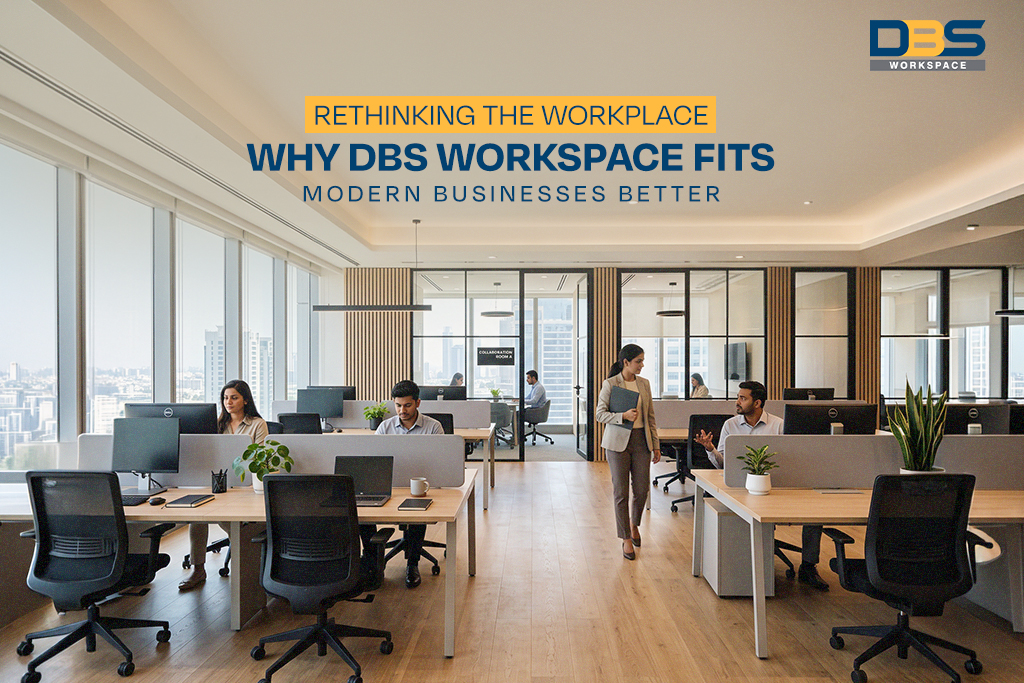
Many remote professionals use coworking hubs or flexible office environments to stay productive, meet clients, or avoid distractions.
That is where we can support professionals through flexible solutions, such as office space that Delhi businesses and individuals can use when they need structure, professionalism, or collaboration.
At DBS Workspace, we understand that the future of work is flexible, and modern professionals often need adaptable environments that support changing work styles.
Common mistakes people make
Assuming all remote jobs are flexible
Some remote roles still demand strict schedules.
- Ignoring scams
Research companies carefully before accepting offers.
- Applying without relevant skills
Remote employers often expect immediate productivity.
- Poor communication during hiring
Delayed replies or unclear communication can hurt credibility.
Building a successful remote career
Remote jobs have reshaped how people work, connect, and grow professionally. For job seekers, this creates exciting opportunities to access flexible careers across industries without being limited to one location.
Success in remote work often comes down to preparation. Strong communication, digital skills, self-discipline, and a clear understanding of what employers need can make a real difference.
As flexible work models continue to expand, remote careers are becoming an important part of long-term professional growth. At DBS Workspace, we understand that modern professionals need adaptable solutions that support changing career paths, productive work habits, and business evolution.