
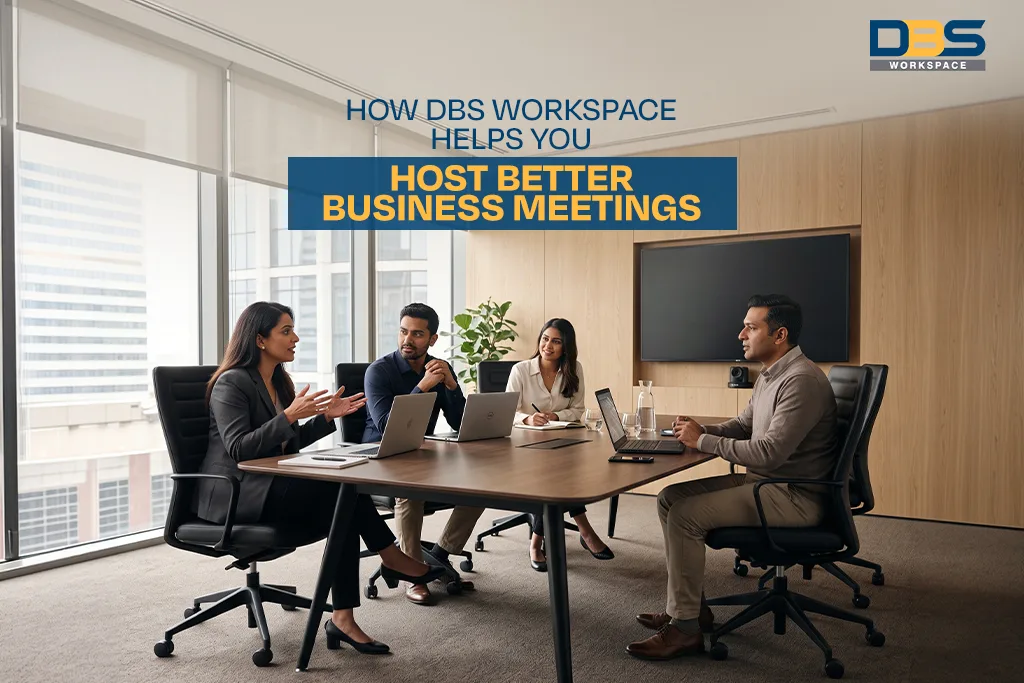
For modern startups, flexibility has become just as important as funding. Many founders today prefer to rent office space for a day rather than commit to expensive long-term leases that may not meet their evolving business needs. Whether it’s for client meetings, team collaboration, investor discussions, or focused work sessions, flexible office solutions help startups stay agile while maintaining a professional image.
The way businesses operate has changed dramatically over the last few years. Remote work, hybrid teams, freelancing, and project-based hiring have pushed startups to rethink traditional office setups.
Instead of paying high monthly rentals for spaces that may remain underutilised, many businesses are choosing on-demand office solutions that offer convenience without financial pressure.
This is where day office spaces are making a noticeable difference.
The Growing Demand for Flexible Workspaces
Startups rarely follow a fixed growth pattern. One month may involve a two-member team working remotely, while the next may require a collaborative space for onboarding new employees or meeting investors. Traditional offices often fail to support this level of unpredictability.
Flexible workspaces solve this challenge by giving businesses access to fully equipped offices whenever required. A Day pass coworking space allows startups to use professional infrastructure without long-term commitments. This approach helps founders manage costs more efficiently while staying operationally flexible.
For early-stage businesses, every expense matters. Spending heavily on interiors, maintenance, internet setup, utilities, and administrative support can drain valuable capital. Day office spaces eliminate these concerns by offering ready-to-use work environments.
Why Startups Prefer Day Office Spaces
1. Cost-Effective for Growing Businesses
Leasing a conventional office usually requires security deposits, maintenance charges, and fixed contracts. For startups still testing markets or scaling operations, this can become financially stressful.
A day pass office space allows businesses to pay only for the duration they need. Whether it’s a few hours, one full day, or occasional weekly usage, startups gain access to premium office infrastructure without locking themselves into long agreements.
This model is particularly useful for:
- Freelancers meeting clients
- Remote teams need collaboration days
- Startup founders travelling between cities
- Small businesses conducting interviews or workshops
The flexibility helps businesses allocate funds toward growth activities instead of operational overheads.
Professional Infrastructure Without Long-Term Commitments
One major challenge startups face while working remotely is maintaining professionalism during meetings or presentations. Conducting investor calls from cafés or home setups may not create the best impression.
A well-designed day office space provides access to:
- High-speed internet
- Meeting rooms
- Reception services
- Comfortable seating
- Business-grade amenities
- Quiet working zones
This helps startups maintain credibility while avoiding the costs of permanent office space.
For founders constantly on the move, having access to a professional environment whenever needed creates operational convenience and better productivity.
Better Collaboration for Hybrid Teams
Many startups today operate with hybrid or distributed teams. Employees may work most of the week remotely but occasionally require in-person collaboration sessions.
Booking an office space for one day gives teams a dedicated environment for brainstorming, planning, training, or strategy discussions. Instead of paying monthly rent for a space used only occasionally, businesses can schedule workspace access according to their requirements.
This flexibility supports modern work culture while helping companies reduce unnecessary office expenses.
It also allows teams to maintain personal flexibility without completely losing the benefits of face-to-face interaction.
Supporting Business Travel and Remote Work
Founders and startup teams often travel frequently for networking events, client meetings, or market expansion activities. Working from hotels or public places can affect concentration and efficiency.
A day-use office space becomes a practical solution for professionals who need temporary access to a reliable work environment. It offers the convenience of a traditional office without the burden of subscriptions or memberships.
For startups expanding into new cities, day office spaces also serve as temporary operational hubs before establishing permanent setups.
Access to Networking Opportunities
Coworking environments naturally encourage interaction between professionals from different industries. For startups, this creates opportunities for collaboration, partnerships, referrals, and even client acquisition.
Using a day pass workspace allows entrepreneurs to work in energetic professional environments where they may connect with:
- Investors
- Freelancers
- Consultants
- Creative professionals
- Technology experts
- Potential clients
Many startup founders discover valuable business relationships simply by working from flexible coworking environments.
This networking advantage is difficult to replicate in isolated home-office setups.
Improved Productivity and Work-Life Balance
Remote work offers convenience, but it can also lead to distractions and inconsistent routines. Many entrepreneurs struggle with maintaining focus while working from home.
A structured office environment often improves discipline and productivity. Flexible office spaces provide startups with the ability to create a separation between personal and professional life whenever needed.
Even occasional use of coworking spaces can help professionals stay motivated and maintain healthier work habits.
Scalability Without Operational Stress
One of the biggest advantages of flexible office models is scalability. Startups can increase or reduce workspace usage depending on project demands, hiring cycles, or seasonal workloads.
This adaptability becomes especially valuable during uncertain business phases.
Instead of committing to large office spaces prematurely, startups can continue using flexible solutions until their operational requirements become more stable.
We at, DBS Workspace are helping businesses simplify this transition by offering flexible workspace solutions designed around modern business needs. Startups gain access to professional infrastructure while maintaining the freedom to scale at their own pace.
Why Flexible Office Models Are Becoming the Future
The shift toward flexible workspaces is no longer limited to freelancers or remote workers. Even established companies are rethinking how they use office spaces.
For startups, however, the benefits are even more significant:
- Lower operational costs
- Better cash flow management
- Reduced administrative responsibilities
- Increased location flexibility
- Access to premium business facilities
- Easier team collaboration
As work culture continues evolving, businesses are prioritising agility over ownership. Flexible office spaces align perfectly with this mindset by offering convenience without long-term pressure.
Final Thoughts
Startups thrive when they can adapt quickly. Traditional office models often restrict that flexibility through high costs and rigid contracts. Flexible workspace solutions, on the other hand, allow businesses to operate more efficiently while responding to changing requirements in real time.
Whether it’s booking a workspace for important meetings, hosting collaborative sessions, or simply finding a productive place to work for a few hours, day office spaces are becoming an essential part of the startup ecosystem.
As more businesses embrace hybrid and flexible working models, the demand for smarter workspace solutions will continue to rise. For startups aiming to stay lean, agile, and growth-focused, we at DBS Workspace offer flexible office spaces that are proving to be a practical and sustainable choice.