
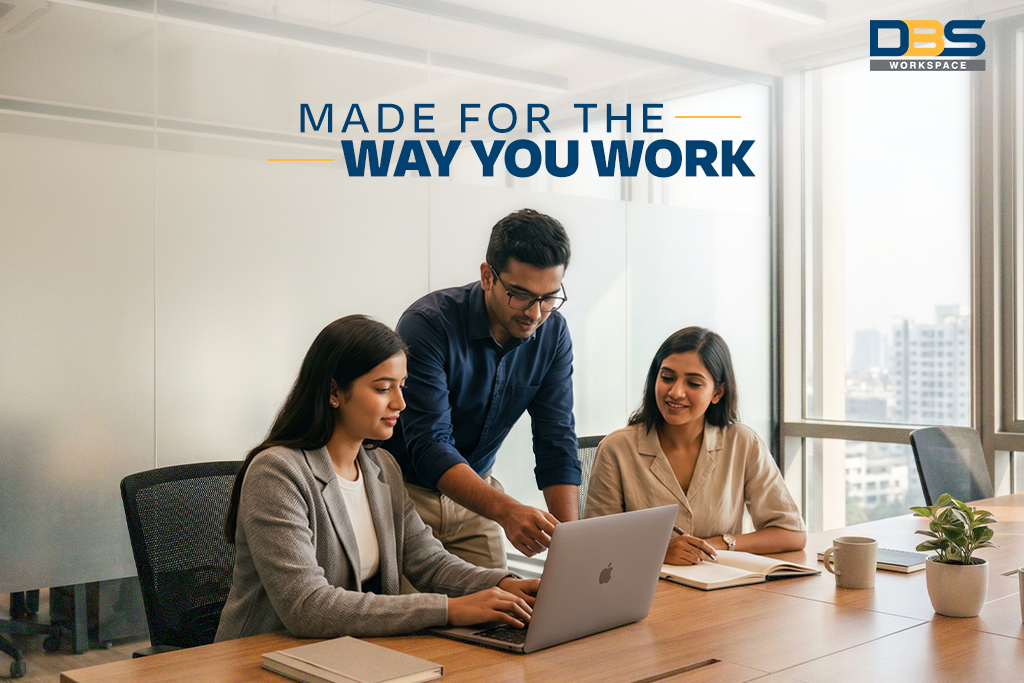
The way businesses think about offices has changed sharply over the last decade. Long leases, high upfront costs, and rigid layouts no longer fit how teams work today. Companies want spaces that move at the same pace as their people. Flexible workspaces have stepped into that gap and are now shaping how modern businesses operate, grow, and stay competitive.
The Shift Away from Traditional Offices
Traditional office setups demand long commitments, high deposits, and months of preparation before work even begins. Furniture procurement, internet installation, facility management, and maintenance all sit on the business owner’s plate. This approach made sense when teams were static, and growth was predictable.
Modern businesses work differently. Teams expand and contract. Hybrid work is common. Project-based hiring is routine. Flexible workspaces support this reality by offering ready-to-use offices that can scale without disruption. Decision-making becomes simpler when office space adapts to business needs instead of the other way around.
Speed Matters in Today’s Business Environment
Time has become one of the most valuable business resources. Waiting months to set up an office can slow down expansion plans or delay market entry. Flexible workspaces remove this friction.
A fully furnished office for rent in Hyderabad allows teams to walk in and start working on day one. Power, internet, meeting rooms, reception support, and security are already in place. Businesses gain momentum immediately, which is critical in competitive markets where speed often decides outcomes.
Cost Control Without Compromises
Managing cash flow remains a priority for companies of every size. Flexible workspaces replace large capital expenses with predictable monthly costs. Businesses avoid investments in interiors, furniture, equipment, and long-term maintenance contracts.
This structure makes office space for rent far more accessible, especially for startups and growing firms. Even established companies benefit by reducing exposure to long leases and unused square footage. Budgets stay lean, while teams still operate from professional environments that meet client expectations.
Location as a Strategic Advantage
A strong business address influences perception, hiring, and daily operations. Flexible workspaces are often located in well-connected commercial hubs. Access to transport, banking, dining, and professional services improves employee convenience and client experience.
Demand for office space in Secunderabad highlights this shift. Businesses want central locations without dealing with the complexities of commercial property ownership or long-term leasing. At DBS Workspace, we have a dedicated centre in Secunderabad that offers a premium business address with flexible terms, allowing teams to operate from a prime location without traditional barriers.
Supporting Hybrid and Distributed Teams
Work patterns continue to evolve. Many teams split time between home, office, and client locations. Flexible workspaces support this model by offering a mix of private offices, shared desks, meeting rooms, and short-term access options.
A coworking space in Hyderabad works well for teams that value flexibility while still wanting structure and professionalism. Employees gain a focused work environment when needed, without being tied to a single desk every day. This balance supports productivity and employee satisfaction.
Virtual Offices and Business Credibility
Not every business needs a physical office every day. Consultants, remote-first teams, and international firms often need a professional presence without full-time occupancy. A virtual office space provides a registered business address, mail handling, and call support without the overhead of a physical setup.
This option allows businesses to establish credibility in key markets while keeping operations light. It also supports compliance and branding requirements without unnecessary expenditure.
Designed for Productivity and Focus
Workspace design plays a direct role in how people perform. Flexible workspaces invest in layouts that support concentration, collaboration, and comfort. Natural light, ergonomic furniture, well-equipped meeting rooms, and quiet zones are standard features.
Facility management teams handle daily operations, allowing businesses to focus entirely on their work. Issues related to cleaning, security, internet reliability, or utilities are resolved quickly and professionally.
A Smarter Way to Scale
Growth rarely follows a straight line. Flexible workspaces support expansion without forcing businesses into risky commitments. Teams can add desks, upgrade offices, or move to larger spaces as needed. Scaling down remains just as easy during quieter periods.
This adaptability suits startups, SMEs, and even large enterprises running project offices or regional branches. Risk stays controlled, while opportunity remains open.
Why Businesses Choose DBS Workspace
At DBS Workspace, we see these changes play out every day. Businesses want flexibility, speed, and reliability from their work environments. Our spaces are designed to support growth without adding complexity. From private offices to shared work areas and virtual solutions, our focus stays on helping teams work efficiently from day one.
Our experience across major business districts helps us understand what companies truly need from their workspace. Practical design, professional support, and strategic locations remain at the centre of how we operate. Businesses choose us because our solutions fit real working styles, not idealised office models.
The Future of Workspaces
Flexible workspaces continue to gain ground because they align with how modern businesses function. They reduce risk, improve efficiency, and support changing work habits. Companies no longer measure success by the size of their office but by how well that space supports their people and goals.
As work continues to evolve, flexible models will remain a smart and practical choice. Businesses that adapt early gain the freedom to grow, respond, and compete without being held back by rigid infrastructure.